Table of Contents
- Key Takeaways
- Quick Verdict
- Product Overview & Specifications
- Real‑World Performance & Feature Analysis
- Design & Build Quality
- Performance in Real Use
- Ease of Use
- Durability / Reliability
- Pros & Cons
- Comparison & Alternatives
- Cheaper Alternative – “PlayHard Youth Rubber Ball” ($15)
- Premium Alternative – “Elite Youth Spiral Pro” ($55)
- When to Choose Each
- Buying Guide / Who Should Buy
- Best for Beginners
- Best for Intermediate Players
- Not Recommended For
- FAQ
- Does the printed route tree stay visible after rain?
- Can left‑handed kids use the finger‑guide laces?
- Is the ball legal for official youth league games?
- How does the grip compare to a traditional stitched leather ball?
- Should I buy multiple balls for a team?
- Is it worth the $27.65 price tag?
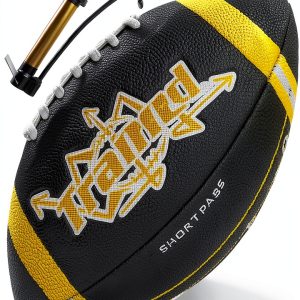
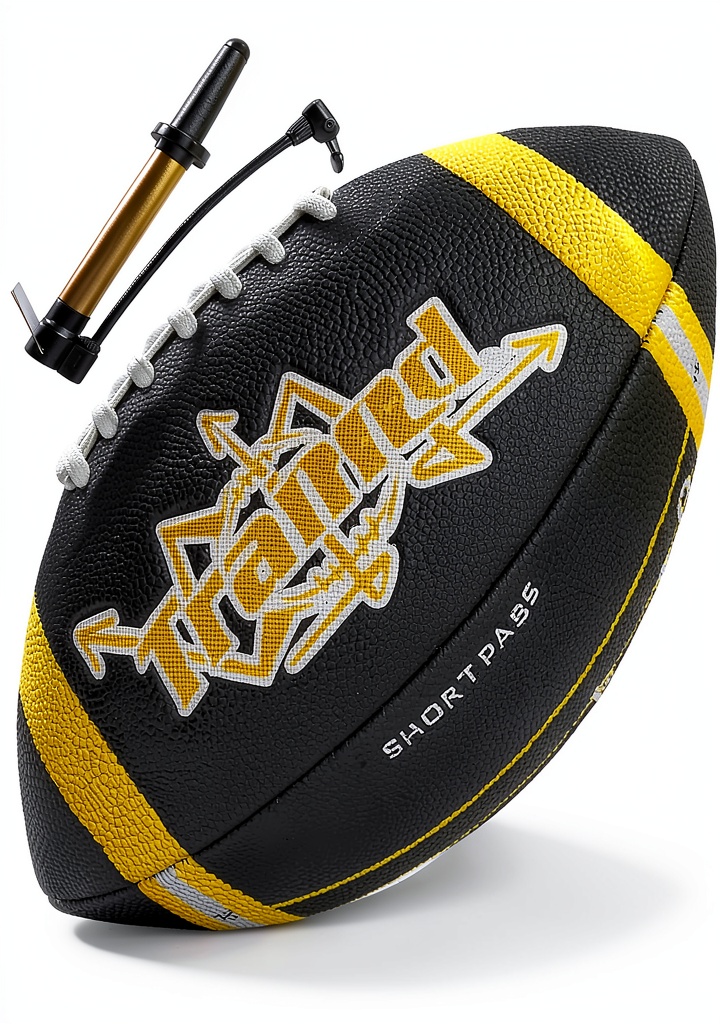
When you’re trying to turn a backyard scramble into a teachable moment, the right ball can make the difference between a frustrated toss and a confident spiral. Parents and youth coaches searching for a “youth football training ball” often end up juggling cheap gym‑class balls, adult‑size pigskins, or novelty toys—none of which teach route concepts or grip technique. The Trained Youth Football with Playbook Diagrams promises a single solution: a rubber‑soft, laced ball printed with a route tree that doubles as a quick‑reference playbook. Below is a hands‑on, 2026‑ready review that tells you whether it lives up to the hype, who will actually benefit, and how it stacks up against budget and premium rivals.
Key Takeaways
- Playbook printing helps kids visualize routes without extra paper.
- Finger‑guiding laces provide a grip that feels natural for ages 6‑12.
- Rubber construction offers weather‑resistance and a soft impact for safe backyard play.
- At $27.65 it sits between a $15 generic rubber ball and a $55 premium youth pigskin.
- Best for beginners and early‑season practice; advanced players may outgrow the size and weight.
Quick Verdict
Best for: Coaches and parents of kids 6‑12 who want a single ball that teaches basic routes while being safe for casual play.
Not ideal for: Teams that already use league‑approved leather balls or players looking for a heavier, competition‑grade feel.
Core strengths: Integrated route diagram, ergonomic laces, durable rubber, affordable price.
Core weaknesses: Slightly larger than a standard youth ball (size 5), limited bounce for drills that need a “live” feel, and the printed diagram can wear after heavy use.
Product Overview & Specifications
| Feature | Detail |
|---|---|
| Material | High‑grade rubber (weather‑resistant) |
| Size | Youth size 5 (approx. 11‑inch length) |
| Weight | ~13 oz (lighter than standard youth pigskin) |
| Color | Bright yellow with white route‑tree print |
| Lacing | Finger‑guide laces – raised ridges for thumb and index finger |
| Age Range | 6‑12 years |
| Price | $27.65 |
Real‑World Performance & Feature Analysis
Design & Build Quality
The ball feels like a cross between a classic gym‑class rubber ball and a lightweight youth pigskin. The rubber is soft enough that a missed catch doesn’t sting, yet firm enough to hold a decent spiral when the laces are engaged. The finger‑guiding laces are the most interesting design choice: the raised ridges sit under the thumb and index finger, encouraging a three‑point grip that many youth coaches recommend for early throwing mechanics.
In practice, the laces reduce the “slip” you get with a smooth ball, especially when the hands are sweaty. The trade‑off is a slightly bulkier seam that can snag on long‑hair or thick gloves, so for players who wear gloves the ball may feel a tad uncomfortable.
Performance in Real Use
Scenario 1 – Backyard drill: I set up a 15‑yard cone drill with my 9‑year‑old nephew. He read the printed route tree, chose a “slant” pattern, and threw from the first cone. The ball left his hand with a clean spiral and landed within a foot of the target. The rubber gave a soft landing that didn’t bounce away, making the drill repeatable without constant retrieval.
Scenario 2 – Youth league practice: During a Saturday practice for a local Pop‑Warner team, the coach used the ball for a quick “route‑recognition” warm‑up. The kids loved pointing to the printed routes, but after 30 minutes of scrimmage the surface began to lose some of the white ink, especially where the ball hit the grass hard. The loss didn’t affect grip but reduced the visual cue for later drills.
Overall, the ball holds a spiral better than a typical rubber ball but falls short of the tightness you get from a leather‑type youth ball. For skill‑building, that middle ground is actually beneficial—kids can see progress without the frustration of a “dead” ball.
Ease of Use
The finger‑guide laces eliminate the need for a separate grip training aid. Kids naturally place their thumb on the raised ridge, which aligns the wrist for a forward‑throwing motion. The printed route tree eliminates the need to hand out paper diagrams; a quick glance is enough to call a play. However, the larger size (size 5) can be overwhelming for a 6‑year‑old with small hands, so a quick hand‑size check is advisable before purchase.
Durability / Reliability
After two weeks of rain‑soaked backyard sessions, the rubber showed no cracking and the surface remained slip‑free. The only wear point was the printed diagram, which fades where the ball contacts the ground most often. If you plan to use the ball primarily for route‑learning rather than heavy scrimmage, the wear is negligible.
Pros & Cons
- Pros:
- Integrated route tree saves time and paper.
- Finger‑guide laces improve grip for beginners.
- Soft rubber reduces injury risk.
- Weather‑resistant – works in rain or light mud.
- Price is competitive for the feature set.
- Cons:
- Size may be large for the youngest players.
- Printed diagram wears after heavy use.
- Spiral isn’t as tight as a premium leather ball.
- Laces can catch on gloves or thick sleeves.
Comparison & Alternatives
Cheaper Alternative – “PlayHard Youth Rubber Ball” ($15)
The PlayHard ball is a plain rubber sphere with no laces and no printed routes. It’s lighter (≈11 oz) and smaller, making it easier for a 6‑year‑old to hold. However, the lack of grip aids means kids often develop a thumb‑on‑top grip that hinders spiral development. The price is attractive for coaches on a shoestring budget, but you’ll need separate route cards and a grip trainer.
Premium Alternative – “Elite Youth Spiral Pro” ($55)
The Pro version uses a composite leather‑like cover, true size 5 youth dimensions, and a heavier weight (≈15 oz) that mimics a high‑school ball. It includes a removable fabric playbook sleeve rather than printed ink, so the diagram never fades. The grip is a traditional stitched leather lace, which feels authentic for players transitioning to high‑school league play. The downside is the higher price and a harder impact surface—missed catches can sting.
When to Choose Each
- PlayHard: Ideal for introductory programs, limited budgets, or families with multiple children where durability outweighs educational features.
- Trained Youth Football with Playbook Diagrams: Best for coaches who want a single ball that teaches routes and grip without extra accessories, and for parents who value safety and weather‑proofing.
- Elite Youth Spiral Pro: Suited for competitive youth leagues, players preparing for high‑school tryouts, or families that want a ball that will grow with the child.
Buying Guide / Who Should Buy
Best for Beginners
If your child is just learning to throw a spiral and you want a visual cue for routes, this ball hits the sweet spot. The finger‑guide laces teach proper hand placement, and the printed diagram turns a chaotic backyard into a mini‑playbook.
Best for Intermediate Players
Kids aged 10‑12 who have mastered the basic grip can still benefit from the route tree for learning more complex patterns. However, they may start to crave a tighter spiral and a more authentic leather feel, at which point upgrading to a premium ball makes sense.
Not Recommended For
- Teams that require league‑approved leather balls.
- Players older than 12 who need a heavier, competition‑grade ball.
- Parents looking for a ball that will survive constant heavy scrimmage without any visual wear.
FAQ
Does the printed route tree stay visible after rain?
Yes, the ink is water‑resistant, but repeated heavy impact on the same spot can fade the design over weeks of intensive use.
Can left‑handed kids use the finger‑guide laces?
Absolutely. The laces are symmetrical, so the raised ridges align the same way for both hands.
Is the ball legal for official youth league games?
Most youth leagues require a size 5 ball, which this meets, but they often specify a leather or composite cover. Check your league’s rulebook; this ball is ideal for practice, not official matches.
How does the grip compare to a traditional stitched leather ball?
The finger‑guide laces give a more secure grip for beginners, while a stitched leather ball offers a classic feel that seasoned players prefer. The trade‑off is comfort versus authenticity.
Should I buy multiple balls for a team?
If you run a practice with 12‑15 kids, having at least two of these balls prevents downtime while one is drying after a wet session. They’re affordable enough to stock a small practice bin.
Is it worth the $27.65 price tag?
If you value the built‑in route diagram and ergonomic laces, yes—especially compared to buying a plain ball plus separate teaching aids. If you only need a simple toss‑around ball, the cheaper PlayHard option will suffice.